September 24, 2026
Tyre Load Index Explained: Why It Matters When Your SUV Is Fully Loaded
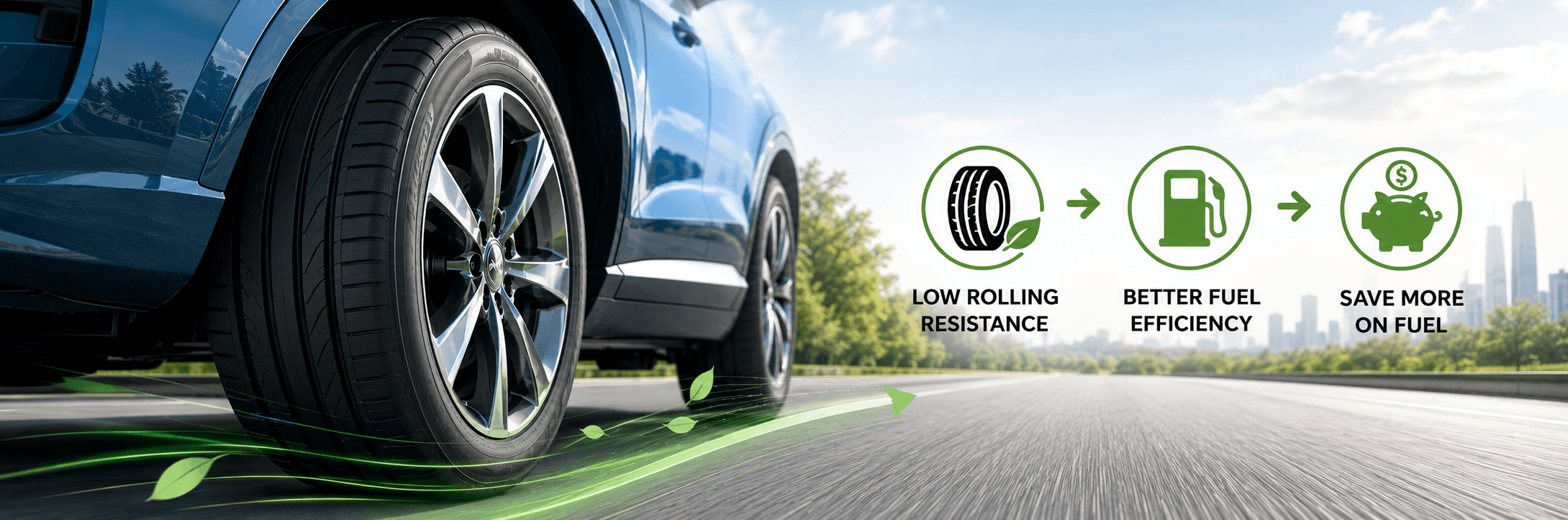
Every driver feels the pinch when fuel runs out quicker than expected, and tyres are often the hidden reason. When the rubber drags more against the road, the engine pushes harder, and thus the fuel consumption is faster.
In places with extreme heat like the UAE, this becomes even more noticeable because heat affects how well a tyre holds its shape. Many high-end manufacturers address this issue by using improved rubber mixes, smooth rolling designs, and tread layouts.
In this blog, we will look at the factors that make a car tyre fuel efficient and how Michelin, Bridgestone, and Continental handle them in different ways. The idea is simple: if the tyre moves with less effort, the car uses less fuel.
When a tyre is designed for fuel efficiency, then its main components must function together effectively. The goal is always to make the tyre roll with the least possible effort. Engineers focus on four main areas to achieve this.
As the wheel rotates, the rubber squashes against the road and then bounces back. This action uses up energy and turns it into heat and this wasted energy is known as rolling resistance.
A tyre that rolls easily needs less power to move the car forward and the engine burns less fuel. When rubber stays flexible and the shape stays steady, resistance drops and it leads to smoother travel.
The newest tyres use advanced compounds and mix in high amounts of silica instead of just plain carbon black. This material helps the rubber stay flexible without losing too much energy. It also gives the tyre a good grip for braking and turning while still keeping the rolling resistance low.
The grooves and blocks on the tyre do more than create grip. When shaped in a thoughtful way then they lower the drag created by air and ground contact. This means energy is not lost each time the tyre rolls, allowing the car to use fuel more wisely.
The overall tyre build plays a role too, right down to the inner structure. Modern construction methods include specific layering and belt materials that reduce the tyre’s weight and stiffen the sidewalls.
A rigid sidewall helps the tyre keep its correct shape under the weight of the car. If the tyre holds its form better, less internal friction occurs and that directly saves fuel.
While some tyres prioritize comfort or grip there are certain brands that focus on reducing the energy required to move the car.
When you browse tyre online options then you will see that Michelin, Bridgestone, and Continental follow this idea in different ways. Each uses its own method to cut rolling losses while maintaining steady performance.
Michelin is a French company and is famous for pushing green tyre technology since the early 1990s. They deliver exceptional durability alongside great efficiency which means their tyres last a long time while saving your fuel.
Michelin makes some of the lowest rolling-resistance tyres on the market. Their Green X tech shapes the surface so the tyre stays steady at higher speeds and rolls with very little drag. This leads to less fuel consumption, especially on long highway drives.
Michelin tyre designs cut down on extra movement so the car moves with less effort. Drives feel smoother, and the fuel level drops more slowly. Many of their popular models carry an ‘A’ efficiency label in Europe, showing strong fuel savings across long use.
The tread is built to hold the tire shape over long use, which helps it wear slowly and evenly. This means fewer changes and lower day-to-day costs. MaxTouch Construction spreads pressure across the surface, helping Michelin last longer.
The specialized silica-based compounds in the tread are specifically engineered to generate minimal heat. In warm regions, this helps the tyre hold its shape and reduces the energy lost through heat build-up.
Bridgestone is a leading name from Japan that uses a high-tech approach focused on advanced polymer science to make its fuel-efficient lines. They aim for a good mix of safety and environmental benefits.
Their Ecopia series is designed with a NanoPro-Tech compound. This compound controls the interaction between the different components inside the rubber which reduces energy loss as heat during rolling.
Models like Ecopia deliver reliable savings and people find that the car feels lighter during acceleration as the design helps the vehicle keep its pace with lower strain on the engine.
This brand positions itself as a strong choice for those wanting durability and proven efficiency benefits without compromising on wet-road performance.
Bridgestone engineers their treads for good, consistent wear over a long service life. The rubber is made to hold its strength over many kilometres. Even wear across the tread helps these tyres stay reliable through everyday drives.
Bridgestone tyre use compounds that slow down heat build-up. When the tyre stays cooler then it uses less fuel and moves more steadily. The Ecopia range is made to lose less energy and run cooler than many other tyres. The lower heat levels help the tyre work better, especially during extreme summer temperatures.
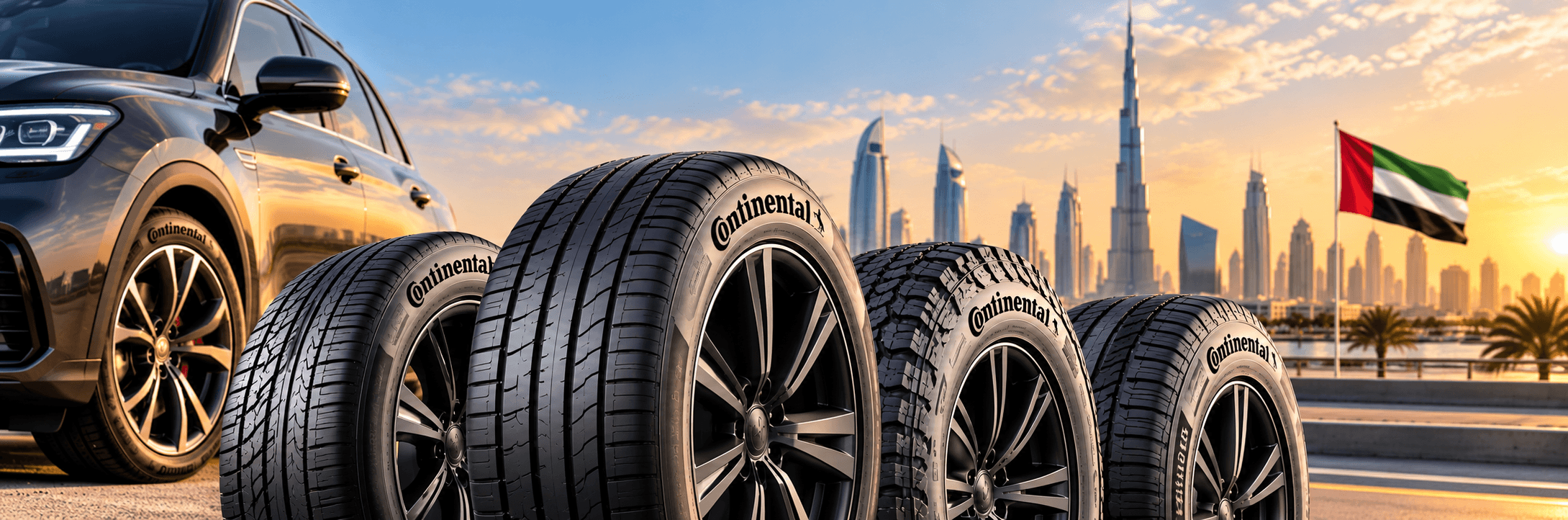
The German brand, Continental, puts safety first but they integrate fuel efficiency into their designs as a core part of their modern development. They are known for excellent braking performance in all conditions.
Continental tyre uses a unique blend called BlackChili technology in some of their performance lines, which effectively reduces resistance. Their economy-focused tyres such as the EcoContact line, deliver some of the lowest rolling resistance figures in the industry.
Many of their tyres score high for fuel savings, proving their German engineering successfully balances high grip with low drag. The result is a responsible blend of safety and economy.
The tread is made to resist early wear which gives the tyre a longer service period. Their construction is robust, designed for high-speed stability and long motorway journeys. The even surface also helps maintain steady travel over different driving styles.
Their innovative rubber compounds and construction are fine-tuned to keep the operating temperature down which is important for maintaining optimal grip and reducing the energy lost as heat during extended use.
Table of comparison
| Feature | Michelin | Bridgestone | Continental |
|---|---|---|---|
| Rolling Resistance | Low drag for smooth highway travel | Balanced rotation ideal for city driving | Lower strain during mixed driving |
| Fuel Efficiency | Strong mileage support | Light movement with better fuel use | Efficient performance in varied routes |
| Tread Life | Long tread strength | Steady wear pattern | Durable structure for long-term use |
| Heat Management | Stays cooler on long drives | Slows heat build-up | Stable temperature during warm conditions |
| Key Efficiency Tech | Green X / MaxTouch | NanoPro-Tech | EcoContact / BlackChili |
Switching to new fuel-saving tyres makes a real difference to your spending. Rolling resistance takes up a big part of fuel use and even small improvements help.
Moving from an average tyre to one with a top fuel rating like shifting from a ‘C’ to an ‘A’, can cut fuel use by around 7%. If you drive about 20,000 kilometres a year and your car needs 8 litres per 100 km, then this results in a visible saving.
It will mean hundreds of dirhams saved gradually over a year. Over the full life of the tyres, the money saved often covers the extra cost of buying a better tyre in the first place. It’s a simple swap that brings both quick and long-term benefits.
Michelin suits drivers who spend long hours on highways and want a tyre that keeps fuel use low while staying stable. Bridgestone works well for people who move between city roads and open routes and prefer steady fuel savings in daily travel.
Continental fits drivers who drive on mixed roads and want consistent mileage even when speeds change. Premium tyres may cost a little more at first but they help the car use less fuel while giving smoother and safer drives.
At TyresWorld, we give you clear advice and access to the latest tyre offers UAE. If you want a quick way to compare fuel-saving tyres then we will help you with a smooth buying process.