
September 24, 2026
Tyre Load Index Explained: Why It Matters When Your SUV Is Fully Loaded
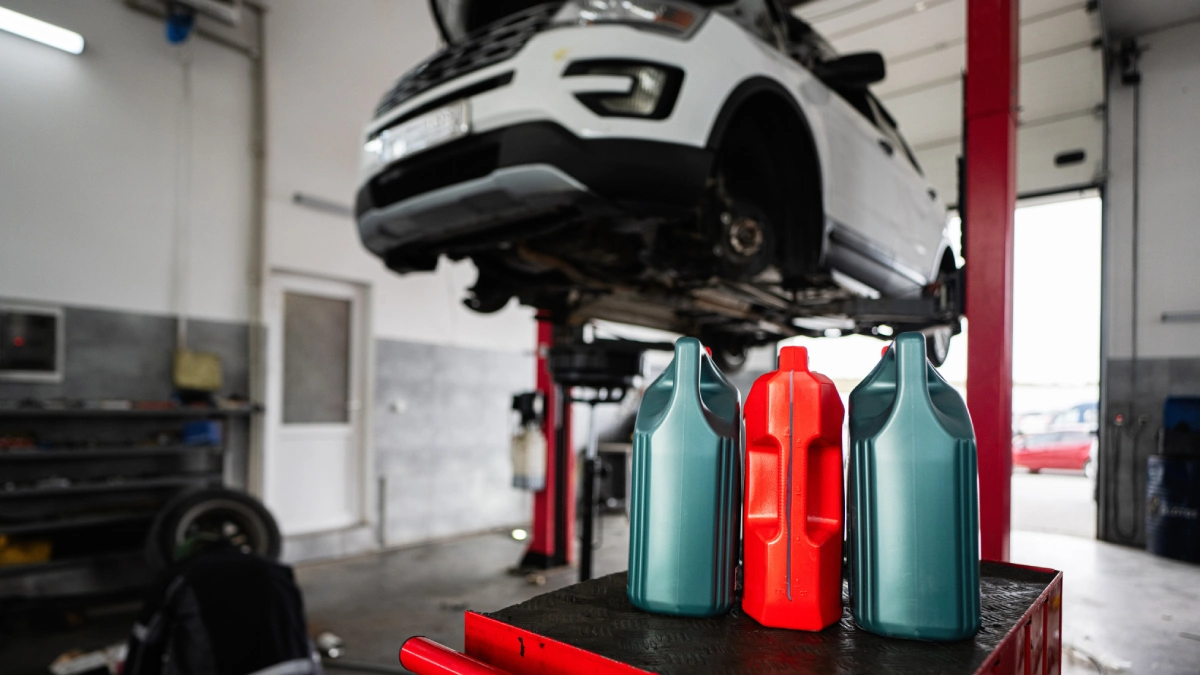
As car owners, we are always very particular about the products we use for our cars. But one very important aspect that most of us are ignorant about or completely ignore is engine oil viscosity.
Oil viscosity plays a very important role in an engine’s performance, especially in places with very high temperatures. So whenever you plan for a car engine oil change next time, do consider its viscosity.
In this article, we will explore what oil viscosity is, why it matters and how to choose the right oil viscosity in a high-temperature climate.
Engine oil viscosity is the measure of the oil's thickness or consistency, as well as how well it lubricates your engine.
The viscosity of your oil has a significant impact on how efficiently your engine will operate. If the oil is too thick, it may not move quickly enough to cover all the moving parts of the engine.
If it is too thin, it may not be strong enough to effectively shield against friction. Considering the right viscosity while going for a change oil service will ensure that the oil moves well and is still strong enough to shield all the parts inside your engine.
You've probably noticed 5W-30, 10W-40, or 15W-50 on oil cans. Those are the viscosities. They tell us about how the oil performs in cold weather and hot weather. It is important to understand these numbers so you can choose the correct oil for your engine during getting an engine oil change Abu Dhabi.
The digits are divided into two parts. The first part is before the letter 'W' and the second part is after the letter 'W'.
For instance, let's consider 5W-30:
These thickness ratings follow a standard by the Society of Automotive Engineers (SAE). A lower number indicates thinner oil. A higher number indicates thicker oil.
The First Digit And The Alphabet 'W’
The 'W' stands for Winter. The number before the 'W' shows how well the oil will flow freely when the engine is cold. Lower numbers like 0W or 5W show the oil is thinner and will flow freely when you start the engine during winter. This reduces wear on a cold start.
For example, 5W oil is lighter in weight than 10W oil in cold weather. That is, it can flow through engine parts rapidly, giving protection from the moment the engine is started.
The Second Number
The second one is the viscosity of the oil at high engine temperatures (usually 100°C or 212°F). The greater value like 40 or 50 means that the oil is more viscous when the engine is hot, hence giving protection to engine components from wear and heat damage.
Thus, in 5W-30, the oil is properly lubricated when cold but has sufficient thickness when the engine is hot enough to safeguard it. Oils such as 10W-40 are thicker when hot and more appropriate for warmer conditions or heavy-duty engines.
Maintaining the correct viscosity of oil in your engine is one of the best things you can do for your engine. It will affect the engine's performance, gas mileage, and health. Here’s why viscosity matters:
Engine Protection
The optimal oil viscosity forms a lubricating film of protection on all of the engine's moving parts. This minimizes metal-to-metal contact, heat generation, and friction. Without it, engine components will wear rapidly.
Better Fuel Efficiency
If the oil is too thick, it creates more resistance inside the engine, and therefore the engine will have to labor more and burn more fuel. Thin oils reduce friction, which can improve fuel efficiency, especially for city driving and short trips.
Enhanced Cold Starts
Thick oil is sluggish when the engine is cold. Low-winter-rated, thin oil (such as 0W or 5W) will lubricate engine components the moment you turn the car over.
At TyresWorld, we always recommend the right oil viscosity to suit your driving style and conditions. With this, your engine will always be protected. Let’s understand the impact of temperature on oil viscosity.
Temperature is a major factor in the way the engine oil will behave. Oil changes its viscosity based on temperature. Let us talk about how that is accomplished.
Oil Becomes Thin At High Temperatures
When the engine is warm, the oil loses its thickness. Even though thinner oil has a higher flow rate and can better cool engine parts, it also loses its lubricating capacity. When the oil becomes too thin, it may not provide complete coverage of the engine parts, and wear and tear is more probable.
Oil Thickens When It Is Cold
Oil thickens and flows more slowly in cold temperatures. This will slow the lubrication at start-up and take longer for the oil to flow into all of the engine's components. That is why lower 'W' rated oil is suitable for cold starts, as these oils remain thinner even in extremely cold temperatures.
If you live in areas with high temperatures, the heat will thin the oil out quickly, making it useless as a lubricant. For this reason, choosing the proper viscosity is important under these conditions. Here's what you should take into account:
Read The Owner's Manual
Your owner's manual informs you precisely what oil viscosity is optimal for your car engine. Always read the manual when choosing oil.
Know Your Local Climate
When it is hot weather, you need oil that maintains its thickness to protect the engine parts. Oils like 10W-40 or 15W-50 perform best in hot weather because they maintain thickness even in very high engine temperatures.
We at TyresWorld advise high-temperature region clients to use higher second-number oils.
Consider Your Driving Habits
Do you tow heavy loads, drive long miles, or spend hours stuck in traffic? Then your engine is working harder and needs more protection. Under these conditions, a higher viscosity oil will reduce engine wear and stress.
Utilize Multi-Grade Oils For All-Year Protection
Multi-viscosity oils like 5W-30, 10W-40, and 15W-50 are designed to function within a wide range of temperatures. They contain additives to enable the oil to change with cold start-ups and very hot engine temperatures. This versatility is perfect for motorists who want one oil under different circumstances.
Choosing the right oil viscosity isn't just selecting numbers; it is about taking care of your car’s engine. The wrong oil will cause problems, make your vehicle guzzle more gas, and shorten the life of your vehicle.
In warmer climates, this choice becomes even more significant. At TyresWorld, the best car service Abu Dhabi, we understand the importance of engine oil viscosity and help you select the best oil viscosity for your car’s engine. So, visit TyresWorld.ae today, and have one of our specialists choose the perfect oil for your car.