September 24, 2026
Tyre Load Index Explained: Why It Matters When Your SUV Is Fully Loaded
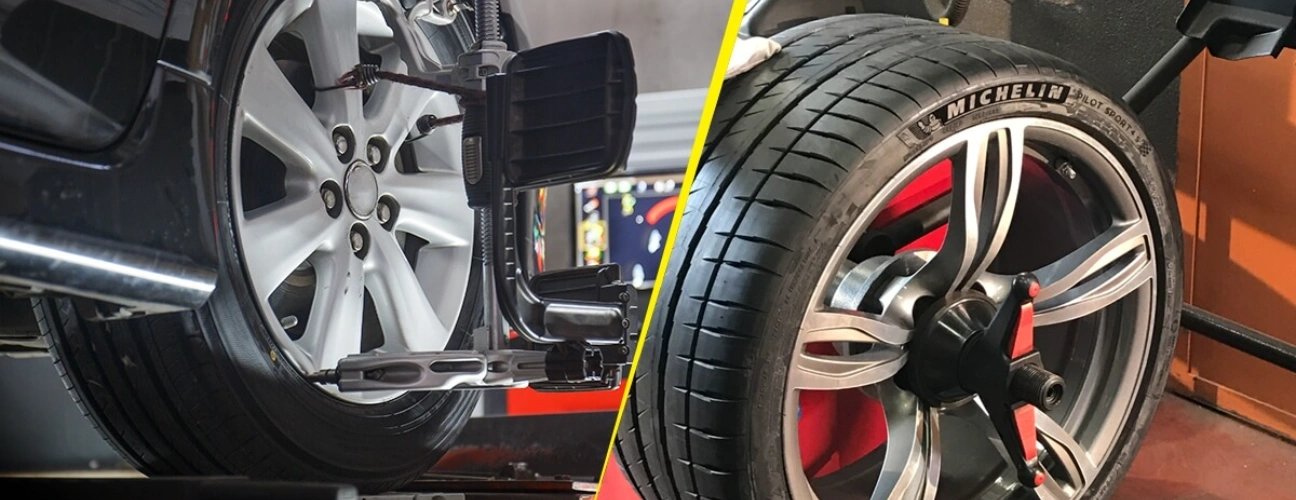
Ever felt that your car steers without any input, or the steering vibrates once you pick up speed? Then, two terms come up - wheel balancing and wheel alignment. But which one should you go for if you’re facing the mentioned issues?
Both wheel balancing and wheel alignment are essential parts of your ride’s maintenance. But understanding the differences between them is crucial in determining which one to get done on your car.
So in this blog, we’ll be looking at the two major wheel maintenance procedures – wheel alignment and wheel balancing – and will understand their differences.
Wheel alignment is actually the adjustment of your car’s suspension, which then translates to aligning your wheels so that their angles are in tune with the road. The parameters of car wheel alignment include three main ones:
Camber - This is basically the degree of inward and outward angling of the tyre when it is viewed from the front. Both inward and outward angling indicate that there’s an issue with the wheel alignment.
Toe - This takes into account the tyre view from above. It sees whether the toe (the front part) of the tyres is pointing towards each other properly.
Caster - A correct caster helps your steering wheel return to its normal position after a turn and ensures straight-line stability. Get it wrong, and your steering feels heavy or unstable.
Causes of Misalignment
There are many events that can lead to tire misalignment. Here are the most common ones:
Potholes and speed bumps: A single pothole hit at speed can be enough to throw your wheels out of alignment.
Accidents or hard impacts: A minor accident has the potential to disturb the suspension geometry.
Worn suspension parts: As parts like bushings, shocks, or ball joints age, they mess with your wheel angles.
Overloading your car: Carrying more weight than recommended puts extra strain on your suspension.
Signs That Show Wheel Misalignment
If you’re finding it hard to decide whether your wheels need alignment or not, then watch out for these tell-tale signs:
Having understood what wheel alignment is all about, let’s take a look at what wheel balancing is
Wheel balancing is all about distributing weight evenly across the wheels and the tyre assembly. And your wheels must be balanced with much precision, as even being off by a couple of grams causes your wheels to spin unevenly at high speeds.
Imagine running while wearing a different size shoe on each leg. That’s exactly how your car is when the wheels are not balanced. The mechanic then uses wheel balancers for cars, which are small weights put on the rims in order to balance the car.
Types of Wheel Balancing
There are two primary forms of car wheel balancing Let’s take a look at both of them:
Static Balancing This ensures that the weight is evenly distributed around the wheel’s vertical axis. If static balance is off, you’ll feel up-and-down vibrations.
Dynamic Balancing This is about side-to-side balance across the wheel. Imbalance here shows up as wobbling or shaking in the steering wheel.
Signs of Wheel Imbalance
The signs of imbalance in wheels aren’t easy to ignore. The driver can usually feel them once the car starts running on the road. Here are some of the signs of imbalance:
Both wheel alignment and balancing play important roles in keeping your tyres running optimally. If you’re confused about which one to go for, then it might be easier than you think. So, let’s put them side by side so the differences are crystal clear:
Purpose
Car wheel alignment is about making sure your tyres are set at the right angles. This ensures that they point in the correct direction and stay in sync with each other.
Balancing is purely about distributing weight evenly across the wheel and tyre assembly so they rotate without wobbling.
Impact on Driving
When alignment is off, your car starts drifting to one side. Your steering will start to feel odd, and your tyres will wear out unevenly.
And if your car wheel balancing is off, you’ll notice vibrations in the steering wheel. This results in shaky rides and extra stress on suspension components.
When to Do It
Alignment is typically checked every 10,000 km, when replacing tyres, or after hitting a big pothole or curb.
But, balancing should be done every time you rotate tyres or install new ones. It can also be done whenever you feel steering vibrations at speed.
Scope of Service
Alignment involves adjusting suspension angles like camber, caster, and toe.
Balancing involves adding small weights to the rim to cancel out uneven spots. Both are different from one another in this case, as one focuses on adding new parts and one focuses on adjusting existing parts.
Now you know the difference between wheel alignment and balancing. That being said, both these practices contribute greatly to your vehicle’s optimal running conditions.
Let’s see how both these help keep your vehicle running smooth:
Extended Tyre Life
Misaligned wheels cause uneven tread wear. For example, the inside edges of your tyre might look worn, but the outside edges may look brand new.
And with improper balancing, you’ll see patchy tyre wear instead of consistent wear. So, regular checks make sure that your tyres are wearing out evenly.
Better Fuel Efficiency
Every bit of resistance your car faces on the road forces the engine to burn more fuel. With misaligned tyres, they’ll tend to drag. And with imbalances, you get rolling resistance along with those uncanny vibrations all over your steering wheel. And all these issues eventually snowball and lead to reduced fuel efficiency.
For people driving daily or long distances, keeping alignment and balance in check is basically free mileage.
Smoother and Safer Riding
Think about how stressful it feels when your steering wheel vibrates the second you hit highway speeds. Or how unsafe it feels when the car keeps drifting left or right despite your constant corrections.
A smooth ride then requires regular wheel and tyre maintenance – so that when you’re faced with emergency situations, your vehicle responds to your maneuvers at its level best.
Saves Money
Though both wheel alignment and balancing cost money, they prevent expenses in the long run.
For example, suspension repairs, steering components, along with tyre changes and fuel bills, can be curbed if you’ve got a wheel maintenance schedule set for your car.
Maintaining your car’s tyres is an absolute essential when it comes to enjoying your ride to the fullest, and you can achieve that with routine wheel alignment and wheel balancing checks.
Not only can you strengthen the lifespan of your tyres, but you also get a safer and smoother driving experience that’s consistent every time.
For your wheel balancing and wheel alignment needs, make sure that you visit trusted tyre workshops that house specialized personnel. If you want to get professional car services from the best tire shop in Abu Dhabi, visit us at Tyresworld.ae.